
You have probably heard people say they invest in ETFs, and wondered what that actually means. An ETF is not a mysterious Wall Street product. It is simply a basket of investments you can buy in one go, like buying a whole fruit basket instead of picking out every single piece of fruit yourself.
What an ETF Actually Is
ETF stands for exchange-traded fund. That name tells you two useful things. First, it is a fund, which means it holds a bunch of different investments together. Second, it is exchange-traded, which means you buy and sell it on a stock exchange during the day, just like a stock.
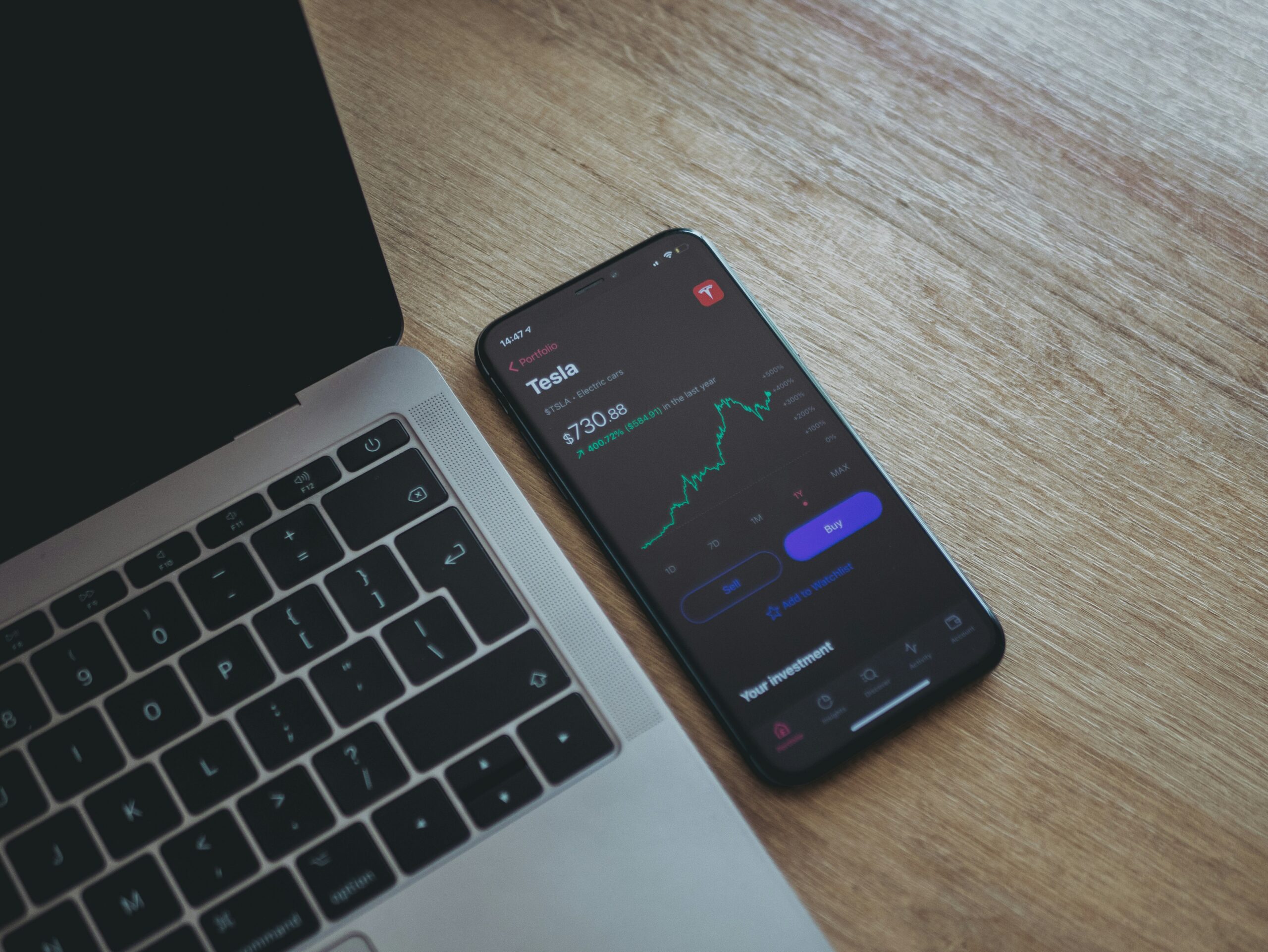
When you buy one share of an ETF, you are not buying one company. You are buying a tiny slice of everything inside that ETF. One ETF might hold hundreds of stocks, bonds, or a mix of both. That is the whole appeal: one purchase spreads your money across a lot of investments at once.
Think of it this way. Buying a single stock is like betting on one restaurant. Buying an ETF that tracks the whole market is more like owning a tiny piece of every restaurant on the street. If one has a bad month, it hurts a lot less, because the others are still there.
How an ETF Works in Real Life
Say you buy a share of an ETF that tracks the S&P 500, an index made up of 500 large American companies. Your money is spread across all 500 of those companies, in proportion to their size. You do not have to research 500 companies or place 500 orders. The ETF does that work for you.
Its price moves during the trading day as the value of the things inside it changes, just like a stock price. Most ETFs are passively managed: they simply follow an index instead of paying a manager to guess which stocks will win. That is one reason their fees tend to be low.
ETF vs. Stock vs. Mutual Fund
It helps to see how an ETF compares to the two investments beginners usually hear about first.
| Investment | What you own | When you can trade it | Typical cost |
|---|---|---|---|
| A single stock | One company | All day while the market is open | No ongoing fund fee |
| An ETF | A basket of many investments | All day while the market is open | Usually a small yearly fee |
| A mutual fund | A basket of many investments | Once a day, after the market closes | Often a higher yearly fee |
A single stock can soar or crash on one company’s news. An ETF smooths that out, because one company’s bad day is diluted by all the others in the basket. A mutual fund offers a similar basket, but you generally cannot buy or sell it in the middle of the day, and its fees are often higher.
That is why many beginners start with ETFs. You get the diversification of a fund, the flexibility of a stock, and usually a low fee, all in one purchase.
The Main Types of ETFs
Not all ETFs are the same. Here are the types you will run into most often:
- Broad market ETFs: Track a whole market or a big index, like the S&P 500. The most common starting point.
- Sector ETFs: Focus on one part of the economy, like technology or healthcare. More concentrated, so they swing more.
- Bond ETFs: Hold bonds instead of stocks. Steadier, but usually slower-growing.
- International ETFs: Hold companies outside the United States.
- Dividend ETFs: Focus on companies that regularly pay dividends to shareholders.
For most beginners, a broad market ETF is the simplest place to start. It keeps things boring in a good way: wide, steady, and easy to understand.
How to Buy an ETF
Buying an ETF works the same way as buying a stock, once you have a brokerage account:
- Open a brokerage account, if you do not have one yet.
- Search for the ETF by its ticker symbol, the short code used to identify it, like VOO or VTI for two well-known broad market ETFs.
- Check what it holds and what it charges each year, called its expense ratio. Lower is generally better.
- Decide how much you want to invest, then place your order.
- Leave it alone and keep adding to it over time, rather than trying to trade in and out every week.
You do not need a large amount of money to start. Some brokerages let you buy fractional shares, so you can invest a set dollar amount even if one full share costs more. Check your brokerage’s rules, since this varies.
The Costs and Risks to Know
ETFs are beginner-friendly, but not risk-free or free to own. The main cost is the expense ratio, a small yearly fee taken as a percentage of your investment. At 0.03% a year, that is $3 a year on $10,000; at 0.75%, it is $75. That gap adds up over decades, so check it before you buy, and compare it with an index fund.
The main risk is simpler: an ETF can go down. A broad market ETF spreads your risk across many companies, but it does not remove it. If the whole market falls, a broad market ETF will fall with it. That is normal, and it is why investing works best as a long-term habit, not a way to make fast money.
Frequently Asked Questions
Do I need a lot of money to buy an ETF?
No. Many brokerages let you start small, and fractional shares let you invest a fixed dollar amount even if one share costs more.
Is an ETF better than a single stock?
It depends on your goal. A single stock can grow faster, but it can also fall much harder. An ETF is less exciting day to day, but it is steadier, because your money is spread across many investments. Most beginners prefer that trade-off.
Can I lose all my money in an ETF?
It is extremely unlikely with a broad market ETF, since that would require hundreds of companies to all go to zero at once. You can still lose money short term if the market drops, so only invest money you will not need soon.
How is an ETF different from a mutual fund?
Both hold a basket of investments, but an ETF trades all day like a stock, while a mutual fund usually trades only once a day. ETFs also tend to charge lower fees, though the exact numbers depend on the specific fund.
Bottom Line
An ETF is a basket of investments you buy in a single trade. It gives you instant diversification, trades like a stock, and usually costs very little to own. For a beginner, a broad market ETF is one of the simplest ways to start investing without having to pick individual winners.
Start small, check the fee, keep adding over time, and let the basket do the heavy lifting. That is not a get-rich-quick plan, and that is exactly the point. Slow, steady, diversified investing is how most ordinary people build wealth over time.
Join free — one short email when a new guide drops. Unsubscribe anytime.
This article is for education only and is not financial advice.