
You open your investing app one morning and everything is red. Your investments are down 10%, then 15%, then 20% — and the news keeps saying the words “bear market.” But a bear market is a normal, expected part of investing, not a sign that you did something wrong. Here is what it actually means, how long they usually last, and what to do when you are in one.
What Is a Bear Market, Exactly?
A bear market is when a major stock market index — like the S&P 500 — falls at least 20% from its recent high. That 20% line is the rule everyone uses. A 10% drop is called a correction. A 20% drop gets the bear label. The name comes from how a bear attacks: swiping downward with its paws. A bull market, the opposite, is when prices are rising — like a bull thrusting upward with its horns.
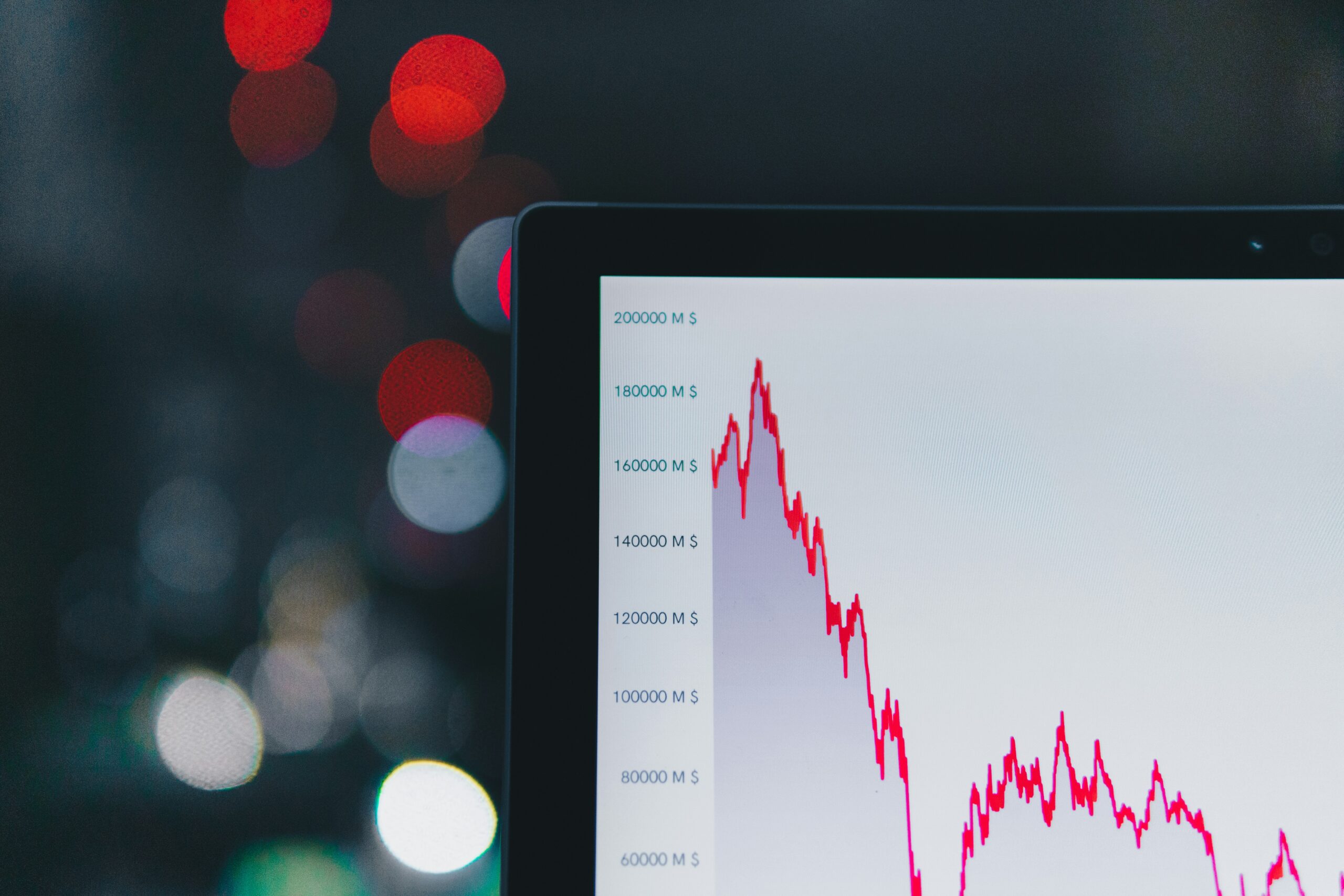
Here is the part that surprises most beginners: bear markets happen a lot. The US stock market has had one roughly every five to seven years on average, and it has recovered from every one so far.
Bear Market vs. Correction: What’s the Difference?
People use these two words like they mean the same thing, but the size of the drop is what separates them.
| Drop from the recent high | What it’s called | How it usually feels |
|---|---|---|
| Up to 10% | A pullback | Normal market noise |
| 10% to 20% | A correction | Uncomfortable, but common |
| 20% or more | A bear market | Scary headlines everywhere |
Corrections happen almost every year. Bear markets are rarer, but if you invest for decades, you will live through several of each.
How Long Do Bear Markets Usually Last?
Nobody can predict exactly how long one will last, and that uncertainty is part of what makes them so stressful. Historically, bear markets have lasted anywhere from about a month to over two years. The average is roughly nine to fourteen months from the peak to the bottom, and climbing back to the old high has often taken longer.
The 2020 bear market was unusually fast: about a month down and a few months back. The 2007–2009 bear market took about seventeen months to bottom out and years to fully recover. That wide range is exactly why timing the market is so hard.
Why Do Bear Markets Happen?
Bear markets usually show up when something big worries investors all at once. The most common triggers are a recession, high inflation or rising interest rates, a war or geopolitical shock, a bubble bursting after prices got ahead of reality, or a sudden crisis like a pandemic.
Often it is a mix of several at once. Sometimes there is no single clear reason — fear feeds on itself as falling prices push more people to sell. That spiral is what a bear market is.
What Should You Do During a Bear Market?
If you are investing for the long term, a bear market is mostly a test of patience. Here is what actually helps:
- Keep investing if you can — regular contributions during a downturn buy shares at lower prices, which is exactly how dollar-cost averaging works in your favor.
- Check your mix, not your balance — what matters is whether your money is spread out, which is the whole point of diversification.
- Do not check your account every day — watching your balance fall daily makes it much harder to stay calm, and calm is the skill that pays here.
- Make sure your emergency fund is intact — if your cash cushion is solid, you will not be forced to sell at the worst moment.
- Remember your time horizon — if you will not need this money for twenty or thirty years, a bad year is a small part of a very long story.
What Not to Do During a Bear Market
- Panic-sell everything into cash — selling locks in the loss and leaves you guessing when to get back in.
- Try to time the exact bottom — even professionals get this wrong, and missing just the best few days of a recovery can cost you a large chunk of your long-term returns.
- Stop investing entirely — pausing contributions during a downturn means missing the cheapest prices.
- Borrow money to “buy the dip” — leverage turns a bad stretch into a disaster.
- Refresh financial news all day — it will not make the market recover faster, and it will make you feel worse.
FAQ
Is a bear market a good time to start investing?
It can be. Starting during a downturn means you are buying in at lower prices than people who started at the peak. Just do not try to wait for the perfect bottom — nobody can spot it in real time. Start with a broad index fund and keep contributing regularly.
Can a bear market wipe out my 401(k)?
A bear market can shrink your 401(k) balance a lot on paper, but it only becomes a real loss if you sell while prices are down. If you leave your investments alone and keep contributing, your balance has historically recovered as the market recovered.
How do I know when a bear market is over?
You usually only know in hindsight. The market typically starts recovering before the news gets better, which is why waiting for “all clear” headlines means missing the early part of the recovery. You do not need to call the turn — a long-term plan works either way.
Bottom Line
A bear market is a 20% drop in the market, and it is painful, normal, and temporary. You cannot prevent one, and you cannot reliably predict when it will end. What you can control is your behavior: keep contributing if you can, stay diversified, do not panic-sell, and let time do the heavy lifting. Every bear market so far has ended with the market reaching new highs.
Join free — one short email when a new guide drops. Unsubscribe anytime.
This article is for education only and is not financial advice.