When you own a stock, you own a small piece of a company. If that company makes a profit, it can choose to share some of that profit with its shareholders. That payment is called a dividend. Think of it as the company saying, “Thanks for owning a piece of us — here is your share of what we earned.”
Dividends are usually paid in cash, straight into your brokerage account. You do not have to sell anything to receive one — you just need to own the stock on the right date.
How Dividends Work
A company earns money, its board decides how much profit to pay out, and it announces a dividend amount per share. If you own shares, you get that amount multiplied by the number of shares you own.
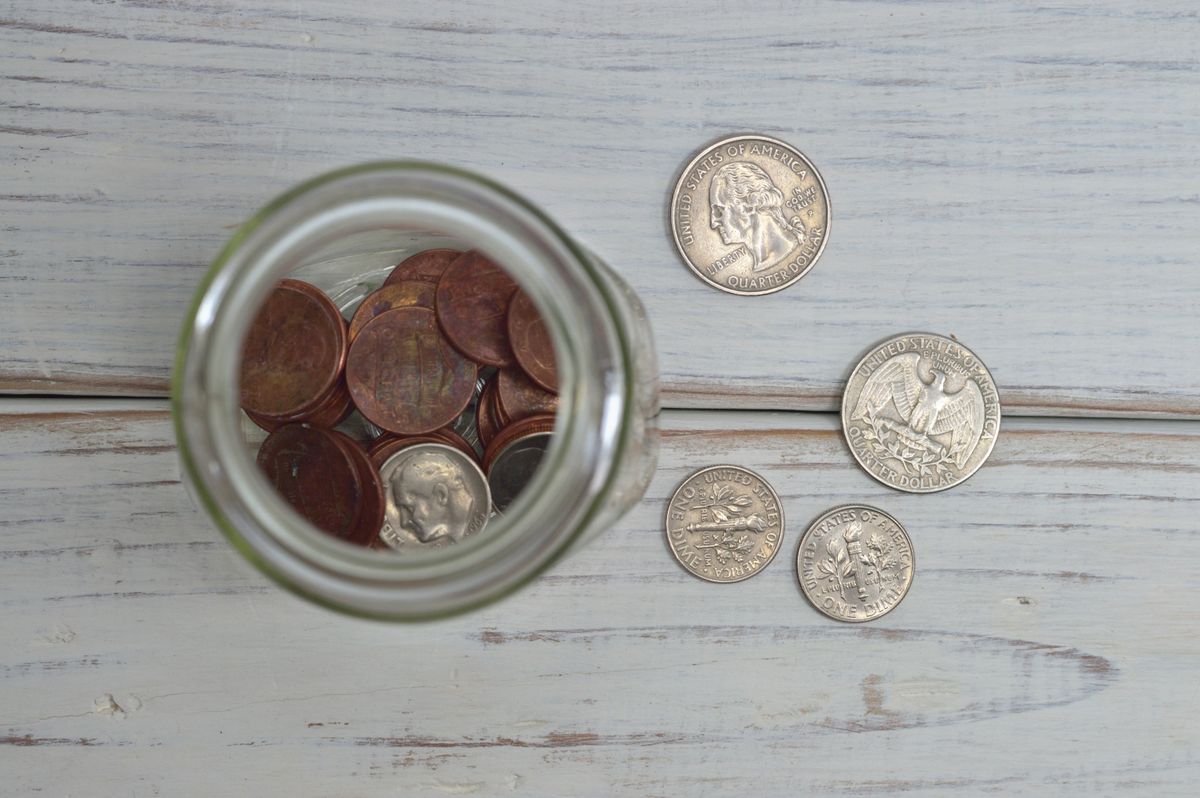
Say a company pays a dividend of $0.50 per share every three months. If you own 20 shares, you receive $10 that quarter. If you own 100 shares, you receive $50. The math is simple: dividend per share times the number of shares you own.
Most dividend-paying companies pay every quarter. Some pay once a year or every month, and some do not pay at all. The schedule and amount are up to the company, and both can change.
There is one date worth knowing: the ex-dividend date. You must own the stock before this date to receive the next payment. If you buy on or after it, you wait for the following payment. Your brokerage will show the payment in your account when it arrives.
Dividend Yield, Explained Simply
When people compare dividend-paying stocks, they often talk about the dividend yield. This is just the annual dividend payment shown as a percentage of the stock’s price.
| Example | Annual Dividend Per Share | Stock Price | Dividend Yield |
|---|---|---|---|
| Company A | $2.00 | $50 | 4% |
| Company B | $1.00 | $50 | 2% |
| Company C | $2.00 | $100 | 2% |
To work it out, divide the annual dividend per share by the share price. Yield is useful for comparing stocks, but a high yield is not automatically a good sign. Sometimes a yield looks high because the stock price has fallen, which can happen when a company is in trouble.
Do All Stocks Pay Dividends?
No, and this surprises a lot of beginners. Many companies, especially younger or fast-growing ones, keep all their profits and reinvest them in the business instead of paying dividends. Shareholders in those companies hope to benefit through a rising stock price instead.
Older, more established companies are more likely to pay dividends, since they tend to have steadier profits. If you are still learning the basics, start with our guide to what a stock is.
What Happens to Your Dividends?
When a dividend lands in your account, you have two main choices.
- Take it as cash. The money sits in your brokerage account, and you can spend it, save it, or use it to buy something else.
- Reinvest it automatically. Many brokerages offer a dividend reinvestment plan, often called a DRIP. With this turned on, each dividend is used to buy more shares of the same investment, including fractional shares. Over time, those extra shares can earn their own dividends too, which is a quiet form of compounding.
Neither choice is right for everyone. Taking cash makes sense if you want income now; reinvesting makes sense if you are investing for the long term. Most brokerages let you switch this setting at any time.
One thing to keep in mind: in a regular taxable brokerage account, dividends are usually taxable in the year you receive them, even if you reinvest them. Check the current year’s rules if you are unsure.
Are Dividends Guaranteed?
No. This is the part beginners need to hear clearly. A company can raise, lower, or completely stop its dividend at any time, usually when profits fall or the business hits a rough patch. A dividend you received last year is not a promise that you will receive the same amount next year.
That is also why dividends do not make a stock safe. A stock’s price can still fall a lot, even while it pays a dividend. Dividends are a bonus on top of owning a stock, not protection against losses.
This is why many beginners buy a broad index fund instead of picking individual dividend stocks. You still receive dividends from the companies inside the fund, but you are not depending on any single company to keep paying.
Frequently Asked Questions
How much money do I need to earn dividends?
You can start with very little. If a stock pays $0.50 per share each quarter and you own one share, you receive $0.50. If you are starting small, our guide to how to start investing with $100 walks through the first steps.
Do I have to do anything to receive a dividend?
No. As long as you own the stock before the ex-dividend date, the payment is deposited into your brokerage account automatically.
Can I live off dividends?
For most beginners, not yet — and be wary of anyone who promises otherwise. Living off dividends requires a very large portfolio. Think of dividends as a helpful extra, not a replacement for a paycheck.
Are dividends better than a rising stock price?
Neither is automatically better. Some investors prefer steady payments, while others prefer companies that reinvest profits and grow faster. A diversified portfolio can give you a bit of both.
Bottom Line
A dividend is simply a share of a company’s profits, paid to you because you own its stock. You receive it as cash or reinvest it, the amount depends on how many shares you own, and it is never guaranteed.
Dividends will not make you rich on their own, and they do not protect you from losses. But reinvested in a diversified fund, they can quietly help your money grow over time.
Join free — one short email when a new guide drops. Unsubscribe anytime.
This article is for education only and is not financial advice.