
You’ve probably heard that starting to invest early is the single smartest thing you can do. The reason isn’t discipline or luck — it’s compound interest. It’s the quiet force that turns small, boring contributions into serious money over time. Here’s how it actually works, with the real numbers.
Compound Interest in Plain English
Simple interest pays you on your original money only. Compound interest pays you on your original money and on the growth that came before. Every year, your gains get added to the pile, and next year you earn on the bigger pile.
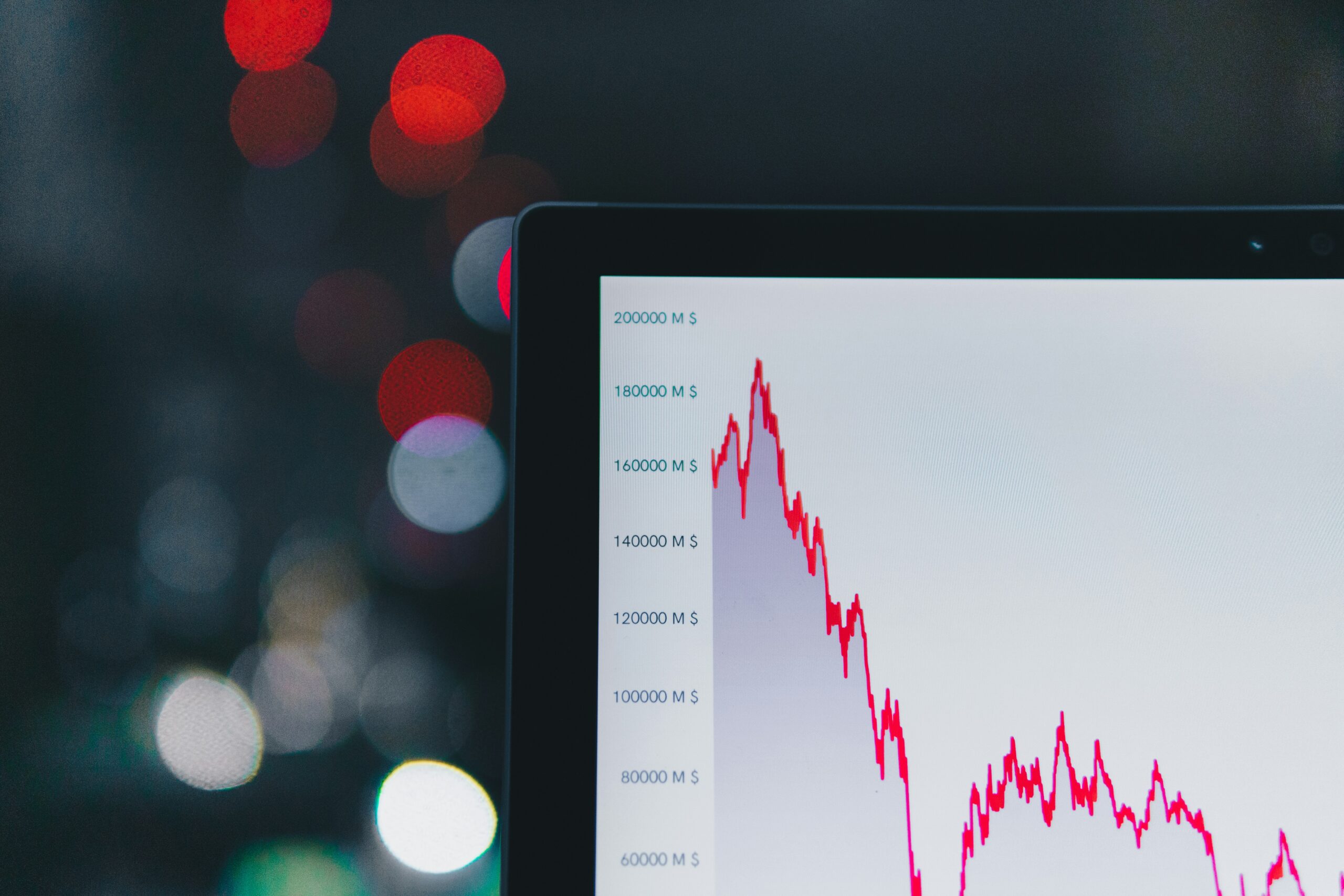
Say you invest $1,000 and it grows 7% in a year. You now have $1,070. If it grows 7% again the next year, you don’t earn another $70 — you earn 7% of $1,070, which is $74.90. The year after that, you earn on $1,144.90, and so on. The growth starts feeding on itself, and that snowball effect is the entire game.
See It in Numbers: $1,000 Left Alone for 40 Years
Let’s say you invest $1,000 once, never touch it, and it compounds at a hypothetical 7% average per year (7% is just a common illustration number, not a promise). Here’s what happens:
| Years passed | Your balance (hypothetical 7%/yr) |
|---|---|
| 10 | $1,967 |
| 20 | $3,870 |
| 30 | $7,612 |
| 40 | $14,974 |
Notice something: in the first 10 years your money grows by about $967. In the last 10 years it grows by about $7,362. The early years feel slow because compounding needs time to build momentum — and time is the one ingredient you can’t buy later. This is exactly why How Much Should a 20-Year-Old Invest Each Month matters more than which stock you pick.
The Example That Actually Matters: $100 a Month
One lump sum is nice, but most people invest month by month. So here’s the number that should wake you up: invest $100 a month starting at age 20, keep it up for 40 years, and assume the same hypothetical 7% average. Your total contributions are $48,000. Your ending balance? Roughly $262,000.
More than $214,000 of that is growth — money your money earned. You put in less than a fifth of the final total; compounding did the rest. Now imagine starting at 30 instead of 20 with the same $100 a month. You’d contribute $36,000 but end up with roughly $122,000. Waiting just one decade cost you about $140,000. That’s the price of procrastination, priced in real dollars.
If you’re starting from scratch, How to Start Investing With $100 shows you how to actually get going this week.
Why Time Beats Everything Else
Beginners obsess over picking the perfect investment. The numbers say something different: when you start matters more than what you buy, especially early on. Two scenarios make this concrete:
- Early Emma invests $200/month from age 20 to 30 ($24,000 total), then stops and never adds another dollar.
- Late Leo invests $200/month from age 30 to 60 ($72,000 total) — three times the money, over three times as long.
At a hypothetical 7% average, Early Emma ends up with roughly $266,000 at 60. Late Leo ends up with roughly $243,000. Emma contributed a third of the cash and still won, purely because her money had an extra decade to compound. Time is the highest-return asset you’ll ever own.
The Other Side: Compound Interest Works Against You Too
Compounding isn’t a friend that only visits investors. It’s math, and it works just as aggressively on debt. Credit card balances compounding at high rates grow the same way your investments do — except the growth comes out of your pocket. A $5,000 balance left to compound at 20%+ becomes $7,450 in two years without you spending another dime. This is why knocking out high-interest debt is one of the best “investments” you can make: you’re earning that interest rate in reverse.
How to Put Compounding to Work
You don’t need a complicated strategy. You need three things:
- Start now. Even $25 or $50 a month begins the clock. Small money compounding for decades beats big money starting late.
- Invest consistently. Automatic monthly contributions matter more than perfect timing. Consistency is the fuel compounding burns.
- Reinvest your gains. When your investments pay dividends or interest, have them reinvested automatically so every dollar keeps working.
What should you buy? For most beginners, a simple, low-cost approach works best — read What Is an Index Fund to understand the simplest vehicle for putting compounding to work.
Frequently Asked Questions
Is compound interest guaranteed?
No. Investments can lose value, and compounding works on averages over long periods, not smooth annual gains. The market goes up and down; the compounding effect assumes your money stays invested through both.
Does my bank savings account compound?
Yes, but savings interest rates are usually low, so the compounding effect is small. That’s fine for an emergency fund — just don’t expect it to build real wealth.
How often does compounding happen?
It depends on the investment. Savings accounts may compound daily or monthly. Dividends and fund distributions typically get reinvested quarterly or annually. The exact schedule matters far less than the amount of time your money stays invested.
Can compound interest make me rich?
Compounding turns consistent saving into meaningful wealth over decades, but it’s not magic and not fast. Anyone promising you’ll get rich quickly with compound interest is selling you something.
Bottom Line
Compound interest is the reason small, boring investments made early can outperform large, frantic ones made late. You don’t need a perfect plan — you need to start, contribute regularly, and give time room to do its job. Every year you wait is money you don’t get back.
Join free — one short email when a new guide drops. Unsubscribe anytime.
This article is for education only and is not financial advice.