
Think back to the last time you bought a snack or a movie ticket. Chances are it costs more now than it did a few years ago — and your paycheck probably didn’t grow by the same amount. That slow, steady rise in prices has a name: inflation. And once you understand it, you’ll see why just saving money in a drawer is a losing strategy.
What Is Inflation?
Inflation is the general rise in prices over time. When inflation is happening, each dollar you have buys a little less than it did before. Economists call this a fall in “purchasing power” — a fancy way of saying your money doesn’t stretch as far.
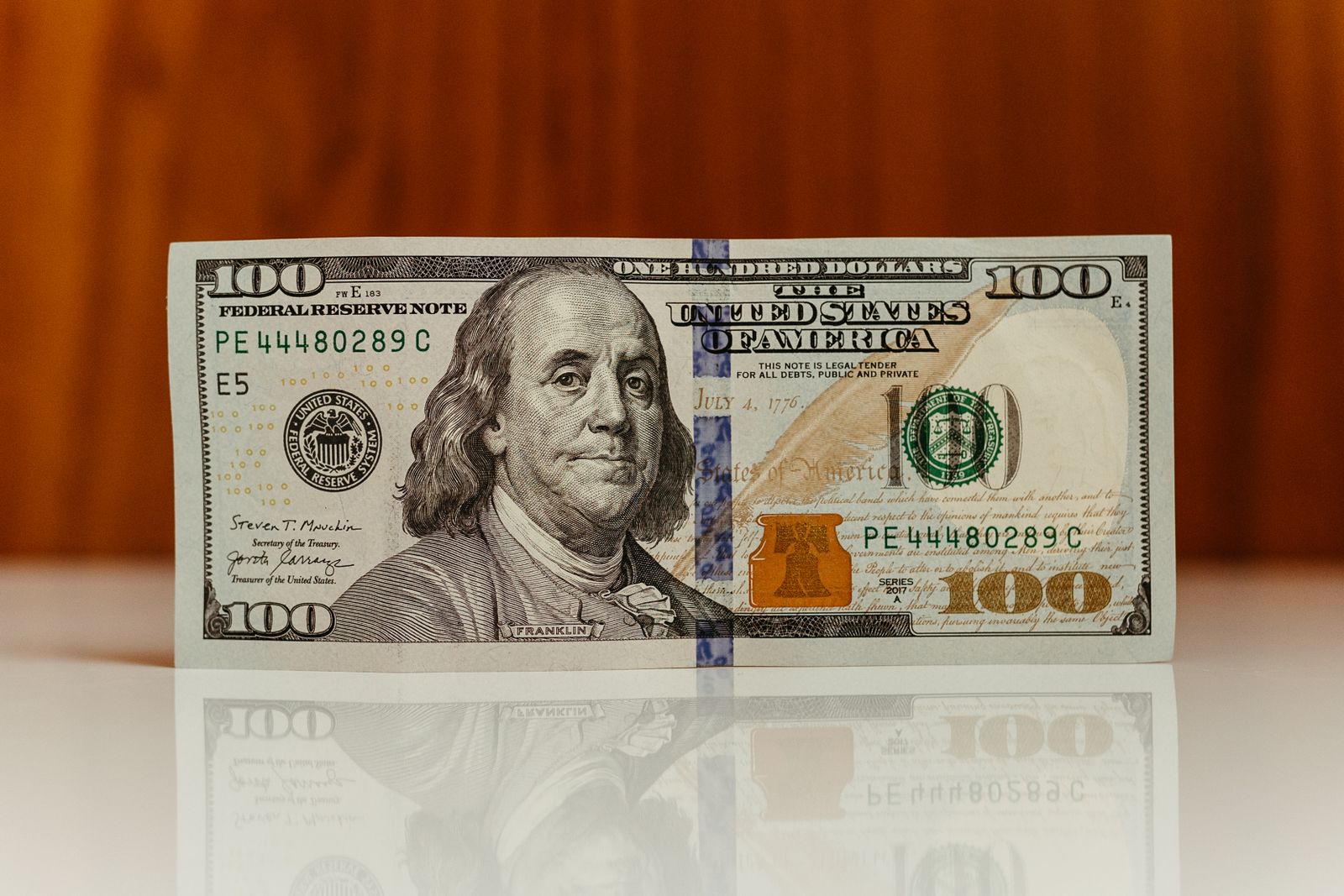
Imagine a pizza costs $10 today. If prices rise about 3% a year, that same pizza costs roughly $10.30 next year, about $11.60 in five years, and about $13.40 in ten years. The pizza didn’t get better — your dollar just got weaker.
Inflation is usually measured by the Consumer Price Index (CPI), which tracks the price of a basket of everyday goods — groceries, rent, gas, clothes, and more. When you hear “inflation was 3% last year,” it means that basket cost about 3% more than the year before.
Why Does Inflation Happen?
Prices don’t rise for one single reason, but most inflation comes down to a few common causes:
- More demand than supply. When lots of people want the same thing and there isn’t enough of it — like houses in a popular city or concert tickets — sellers raise prices.
- Rising costs. If it costs more to make something, whether because wages, rent, or raw materials went up, businesses pass some of that cost on to you.
- More money in the system. When a government or central bank puts a lot of new money into circulation, each existing dollar can be worth a little less.
A little inflation is normal — most central banks actually aim for around 2% a year, because slightly rising prices encourage spending and investing rather than hoarding cash. The problem starts when inflation runs hot for a long time and your income doesn’t keep up.
What Inflation Does to Your Savings
This is where inflation gets personal. Let’s say you stash $1,000 in a drawer and leave it there. If prices rise about 3% a year, here’s roughly what that $1,000 will buy in the future:
| Time | What your $1,000 buys |
|---|---|
| Today | $1,000 worth of stuff |
| In 10 years | About $740 worth of stuff |
| In 20 years | About $550 worth of stuff |
| In 30 years | About $410 worth of stuff |
Those numbers assume a steady 3% inflation rate — real life bounces around — but the point is the same either way: cash sitting still quietly loses value. A savings account helps a little, but if your account pays 1% interest while prices rise 3%, you’re still falling behind by about 2% a year.
Why Inflation Makes Investing Necessary
Inflation is the main reason investing exists for regular people. It’s not about getting rich quick — it’s about keeping your money from melting away over time.
Over long stretches of history, the stock market as a whole has grown faster than inflation. That doesn’t mean it does so every year — some years the market falls while prices keep rising, and that’s painful. But across decades, owning pieces of real businesses through something like What Is an Index Fund? (Explained Simply) has been one of the most reliable ways for ordinary people to stay ahead of rising prices.
What You Can Actually Do About Inflation
You can’t control inflation, but you can control how you respond to it:
- Keep your emergency fund in a high-yield savings account. Your emergency fund isn’t an investment — it’s insurance — but there’s no reason to earn almost nothing on it when high-yield accounts pay several times more. Not sure how much to keep in cash versus invest? Read our guide on Emergency Fund vs. Investing: Which Should Come First?.
- Invest regularly for the long term. Putting a set amount into a diversified index fund every month means you’re buying in good times and bad, and over time that steady habit is what beats inflation.
- Don’t panic when prices spike. Selling your investments in a panic locks in losses and guarantees inflation wins. The people who come out ahead are usually the ones who keep investing through the noisy years.
- Grow your income. The best defense against rising prices is earning more. A raise, a new skill, or a side income can do more for your finances in one year than any investment trick.
FAQ
Is inflation always bad?
Not necessarily. A small, steady amount is normal for an economy. It becomes a problem when it runs much hotter than wage growth for a long time, so everyday life keeps getting more expensive while paychecks stay flat.
Does inflation affect my investments too?
Yes — inflation eats into your real returns. If your investments grow 7% in a year when inflation is 3%, your purchasing power grew about 4%. That’s why investors talk about “real” returns (after inflation) instead of just the headline number.
Should I keep all my money in cash to stay safe?
Cash feels safe because the number never goes down. But inflation means the number is quietly lying to you — it buys less every year. Cash is right for emergencies and short-term needs, but money you won’t need for years usually does better invested.
Bottom Line
Inflation is the slow leak in your wallet: prices creep up a little every year, and cash left sitting still buys less and less. You can’t stop it, but you can outrun it — keep your emergency fund in a high-yield savings account, invest steadily in diversified funds, and let time and What Is Compound Interest? (Explained With Real Numbers) do the heavy lifting.
Join free — one short email when a new guide drops. Unsubscribe anytime.
This article is for education only and is not financial advice.